
Building a Real Estate Brand on Instagram
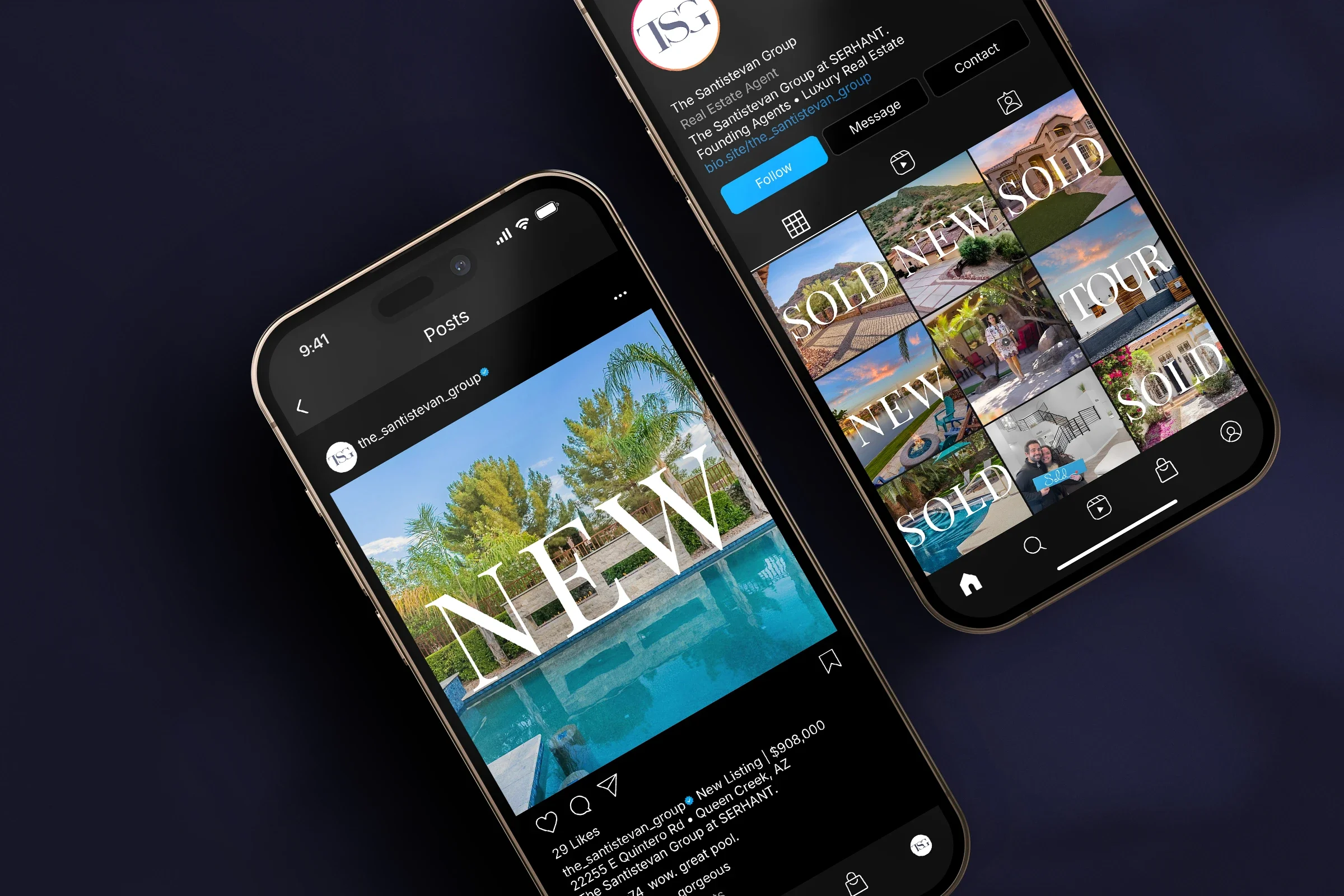
Instagram plays a central role in how real estate brands are perceived. For residential developers, senior living operators, and property companies, it is often the first place a brand is encountered—well before a tour is scheduled or a conversation begins.
What appears in the feed, how it shows up over time, and the tone it carries all shape how a brand is understood. More than a promotional outlet, Instagram has become a channel where context takes form and credibility follows.
Feed Posts and Brand Perception
Feed posts form the most enduring layer of a real estate brand on Instagram. They’re what remain visible over time and what shape first impressions at a glance.
This is where lifestyle, positioning, and tone of voice come together. Interiors, amenities, shared spaces, and moments of daily life suggest how a community is experienced. Captions add context, helping individual posts feel connected rather than episodic.
What Matters in the Feed:
Image format: Vertical 4:5 imagery (1080 × 1350) should be the default. It uses more screen real estate and encourages longer viewing than the legacy square format.
Single image vs. carousel: Use a single image when one moment can stand on its own. Use carousels when a sequence adds clarity—arrival to an interior, wide to detail, amenity to lifestyle.
Visual pacing: Avoid posting similar shots back-to-back. Vary perspective so the grid reads intentionally rather than repetitively.
Captions: Captions shouldn’t explain the image. They should reinforce tone, provide light context, and feel cohesive over time.
Grid awareness: Focus on how the grid comes together as a whole, not individual posts in isolation.
Stories and Ongoing Brand Presence
Stories play a different role. They’re quicker, more immediate, and closer to real time than the feed.
Stories are most effective when they show continuity—small updates, everyday activities, and progress. They keep a brand present between larger moments and reinforce brand momentum.
What Matters in Stories:
Use Stories to show progress and rhythm, not finished hero moments.
Think in short sequences rather than isolated frames.
Keep text minimal and legible with the sound off.
Allow a looser tone while staying visually aligned with the brand.
Over time, this steady presence builds familiarity. Familiarity lowers friction when someone is ready to engage.
Reels and How a Brand Is Experienced
Reels are about experience rather than explanation.
Movement and pacing allow viewers to understand how a place—or a brand—feels in use. A walk through of a space, activity on a terrace, or a moment of daily life often communicates atmosphere more effectively than still imagery alone.
What Matters in Reels:
Establish motion or visual interest immediately.
Keep Reels focused; edit for flow rather than effects.
Let pacing do the work instead of heavy transitions.
Keep text unobtrusive so visuals carry the message.
Strong Reels feel intentional, whether they’re polished or pared back.
Consistency, Variety, and Narrative
Strong Instagram brands balance repetition and change.
Consistency builds recognition. Variety keeps content from feeling predictable. Narrative allows posts shared weeks or months apart to feel connected rather than scattered.
What Matters Here:
Establish a clear visual and verbal identity early.
Shift subject matter without shifting standards.
Step back regularly and review the grid as a whole.
When these elements are in balance, the feed feels deliberate without becoming rigid.
Purposeful Hashtags
In early 2026, Instagram capped posts and Reels at five hashtags per post. Instagram CEO Adam Mosseri discussed this change as a way to reduce spam and encourage relevance, noting that a smaller set of well-chosen tags tends to perform better than long lists of generic tags.
As a result, effective tagging in 2026 and beyond favors purposeful, highly specific hashtags.
What Matters with Hashtags:
Use a focused set of hashtags tied to location, category, and brand.
Avoid generic or trending hashtags.
Use a small set of relevant hashtags to clarify category and location—then let the content do the rest.
Neighborhood and Lifestyle Context
Neighborhood content adds perspective. It shows how a brand fits into its surroundings.
This isn’t about selling the area. It’s about grounding the brand in a real setting and giving viewers a sense of place beyond the building.
What Matters Here:
Use neighborhood content to support property imagery, not replace it.
Keep the tone observational.
Maintain visual consistency with the rest of the feed.
Partnerships and Local Perspective
Partnerships are most effective when they add perspective and feel authentic to the brand.
The right collaborators bring credibility through natural alignment, not forced reach.
What Matters with Partnerships:
Prioritize alignment over audience size.
Work with voices that already reflect the brand’s tone.
Choose partners who add perspective while extending reach organically.
Paid Support, Used Sparingly
Paid support is most effective when it reinforces what’s already resonating.
Rather than manufacturing attention, it works best as an extension of existing content.
What Matters in Paid Placements:
Amplify posts that already perform organically.
Maintain the same visual and tonal standards as organic content.
Use paid thoughtfully, not continuously.
How Uptick Strategic Advisors Can Help
Uptick Strategic Advisors approaches email as part of a broader real estate marketing system—one shaped by positioning, creative clarity, and an understanding of how decisions unfold over time.
For developers and senior living operators, that means messaging designed to support longer consideration cycles, align with brand and digital touchpoints, and build momentum across channels.
For more information, Get In Touch.